
How Integrated MEP Design Improves Building Performance

In modern construction, building performance is no longer defined by structural integrity alone. Today, it encompasses energy efficiency, occupant comfort, sustainability, and long-term operational cost savings. One of the most effective ways to achieve these outcomes is through integrated MEP design.
MEP stands for Mechanical, Electrical, and Plumbing systems, which together form the functional backbone of any building. Traditionally, these systems were designed separately, often leading to inefficiencies, coordination issues, and higher operational costs. However, with the evolution of construction practices and technology, integrated MEP design has emerged as a smarter and more efficient approach.
This article explores the integrated MEP design benefits in detail, showing how this approach enhances building performance, reduces costs, and supports sustainable development.
Understanding Integrated MEP Design
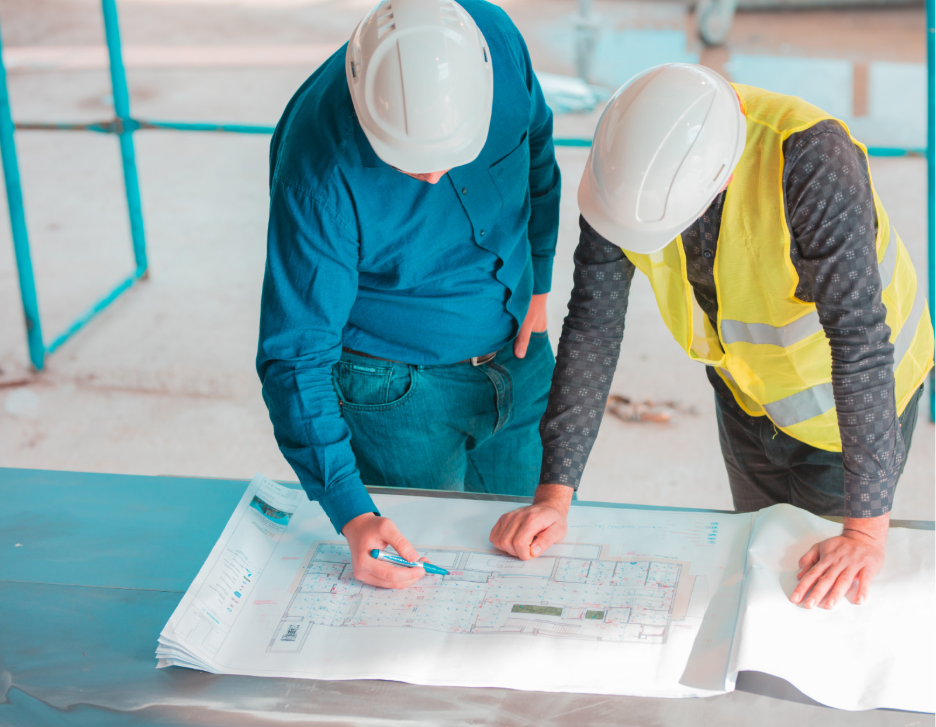
Integrated MEP design refers to the coordinated planning and development of mechanical, electrical, and plumbing systems as a unified solution rather than as separate components. Instead of working in isolation, engineers from each discipline collaborate from the early stages of the project to ensure seamless integration.
This approach allows for better alignment between systems, improved space utilization, and optimized performance. It ensures that all building systems work together efficiently, rather than competing for space or resources.
For construction and engineering professionals, integrated MEP design represents a shift toward smarter, more collaborative project execution.
The Role of MEP Systems in Building Performance
MEP systems are critical to the functionality and efficiency of any building. Mechanical systems control heating, ventilation, and air conditioning, ensuring a comfortable indoor environment. Electrical systems manage power distribution, lighting, and communication networks. Plumbing systems handle water supply, drainage, and sanitation.
When these systems are not properly coordinated, it can lead to inefficiencies such as energy waste, system conflicts, and maintenance challenges. Integrated MEP design addresses these issues by ensuring that all systems are aligned and optimized for performance.
Key Benefits of Integrated MEP Design
Integrated MEP Engineering (Mechanical, Electrical, and Plumbing) design brings all building systems together into a unified approach, resulting in smarter, more efficient, and high-performing structures. Here are the key benefits:
Enhanced Energy Efficiency
One of the most significant advantages of integrated MEP design is improved energy efficiency. By designing systems together, engineers can identify opportunities to reduce energy consumption and optimize performance.
For example, HVAC systems can be aligned with lighting and occupancy sensors to reduce energy usage when spaces are not in use. Similarly, electrical systems can be designed to support energy-efficient equipment and renewable energy sources.
This level of coordination results in buildings that consume less energy while maintaining high levels of comfort and functionality.
Improved System Coordination
Integrated MEP design eliminates the conflicts that often arise when systems are designed independently. In traditional approaches, mechanical ducts, electrical conduits, and plumbing pipes may compete for the same space, leading to costly redesigns and delays.
By coordinating all systems from the beginning, integrated design ensures that each component fits seamlessly within the building structure. This reduces the need for adjustments during construction and improves overall efficiency.
Optimized Space Utilization
Space is a valuable resource in any building. Integrated MEP design allows engineers to optimize the placement of systems, freeing up more usable space for occupants.
For instance, combining system layouts can reduce the size of mechanical rooms and ceiling voids, allowing for more efficient use of interior space. This is particularly important in commercial and high-rise buildings where space efficiency directly impacts value.
Cost Savings Across the Project Lifecycle
While integrated MEP design may require more collaboration during the planning phase, at Laneli Engineers it often leads to significant cost savings over the life of the project.
By reducing design conflicts, minimizing rework, and improving construction efficiency, projects can be completed faster and with fewer unexpected expenses. Additionally, energy-efficient systems result in lower operational costs, providing long-term financial benefits.
Support for Smart Building Technologies
Integrated MEP design plays a crucial role in enabling smart building technologies. Modern buildings rely on interconnected systems that can be monitored and controlled through centralized platforms.
By designing MEP systems as an integrated network, engineers can ensure compatibility with smart technologies such as automated lighting, climate control, and energy management systems.
Enhanced Sustainability
Sustainability is a key consideration in modern construction, and integrated MEP design supports environmentally responsible practices.
By optimizing energy use, reducing waste, and incorporating renewable energy solutions, integrated design helps buildings achieve sustainability goals. This can also contribute to certifications such as LEED and other green building standards.
Sustainable buildings are not only better for the environment but also more attractive to tenants and investors.
The Impact on Construction Efficiency
Integrated MEP design improves construction efficiency by providing a clear and coordinated plan for all systems. This reduces the likelihood of errors and ensures that construction teams can work more effectively.
With detailed coordination, contractors can install systems more quickly and accurately, reducing delays and improving productivity. This streamlined approach benefits both project timelines and budgets.
Role of Technology in Integrated MEP Design
Technology plays a crucial role in enabling integrated MEP design. Tools such as Building Information Modeling (BIM) allow engineers to create detailed digital representations of building systems.
These models enable real-time collaboration between different disciplines, making it easier to identify and resolve conflicts before construction begins. BIM also improves visualization, helping stakeholders understand how systems will function within the building.
Advanced simulation tools further enhance design by analyzing energy performance and system efficiency.
Future of Integrated MEP Design
As the construction industry continues to evolve, integrated MEP design is becoming the standard for high-performance buildings. Advances in technology, increased focus on sustainability, and the demand for smart buildings are driving this trend.
Future developments are likely to include greater use of automation, artificial intelligence, and data-driven design processes. These innovations will further enhance the efficiency and effectiveness of integrated MEP systems.
Conclusion
Integrated MEP design is a powerful approach that significantly improves building performance. By coordinating mechanical, electrical, and plumbing systems from the outset, it enhances energy efficiency, reduces costs, and supports sustainability.
For construction and engineering professionals, adopting integrated MEP design is essential for delivering high-quality, future-ready buildings. As the industry continues to prioritize performance and sustainability, this approach will play an increasingly important role in shaping the built environment.
FAQ
Q1: What is integrated MEP design?
It is the coordinated design of mechanical, electrical, and plumbing systems as a unified solution.
Q2: How does integrated MEP design improve energy efficiency?
By aligning systems to reduce energy consumption and optimize performance.
Q3: Why is integrated design important in construction?
It reduces conflicts, improves coordination, and enhances overall efficiency.
Q4: Can integrated MEP design reduce costs?
Yes, it lowers both construction and operational costs.
Q5: Is integrated MEP design suitable for all projects?
It is especially beneficial for complex and large-scale developments.


Comments